
New EU Entry Requirements for Americans and Canadians in 2026: What Travelers Need to Know

“Last updated: September 2026”
New EU Entry Requirements for Americans and Canadians in 2026
If you are planning a trip to Europe in 2026, you may have heard about new entry requirements being introduced by the European Union. This has created a lot of confusion for travelers, especially around whether visas are now required or if new systems like ETIAS are already active.
The good news is that travel to Europe is still very straightforward for Americans and Canadians. However, there are two important systems you need to understand: the Entry/Exit System (EES) and the upcoming ETIAS travel authorization.
Here is exactly what is changing, what is already in place, and what you actually need to do for your trip.
What is changing for Europe travel in 2026?
The European Union is modernizing its border system in two major phases:
The Entry/Exit System (EES) is already being rolled out and is now in use across Schengen borders
The ETIAS travel authorization has not launched yet but is expected in late 2026
These systems are designed to improve border security and track short-term stays more efficiently, not to make travel harder.
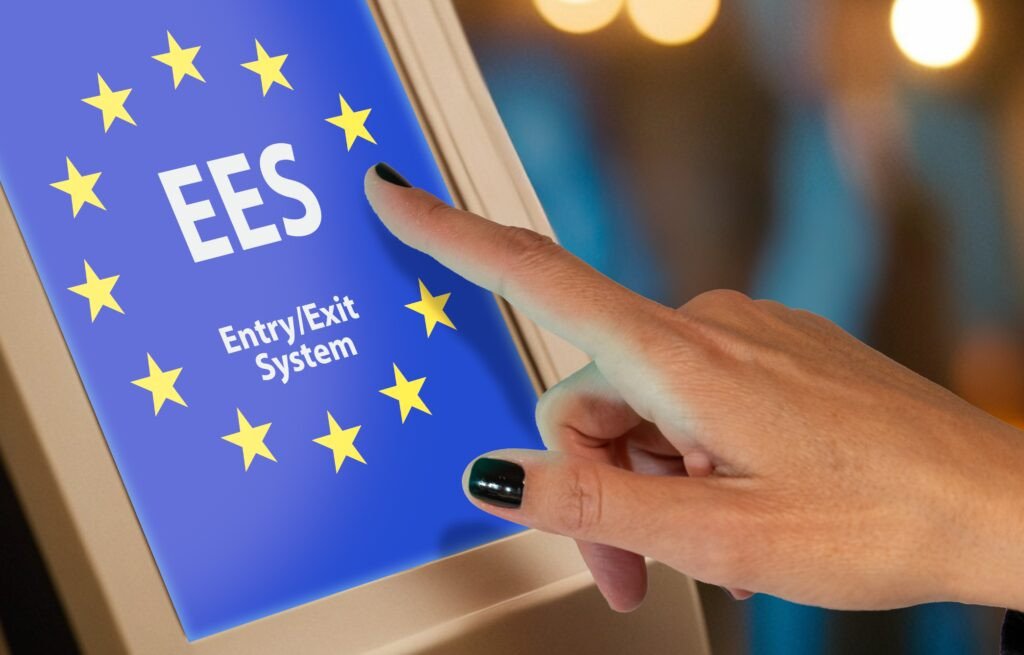
What is the Entry/Exit System (EES)?
The Entry/Exit System (EES) is a digital border control system that replaces manual passport stamping.
What it does:
When you enter the Schengen Area, the system will:
Scan your passport
Take a facial image
Record fingerprints (for most travelers)
Log your entry and exit dates automatically
What this means for travelers:
You will no longer receive passport stamps in many cases
Your stay will be tracked digitally
The 90-day rule within 180 days still applies
Current status:
The EES began rolling out in late 2025 and became fully operational across Schengen borders in 2026. Some airports and countries are still adjusting to full implementation, so experiences may vary slightly depending on where you enter Europe.
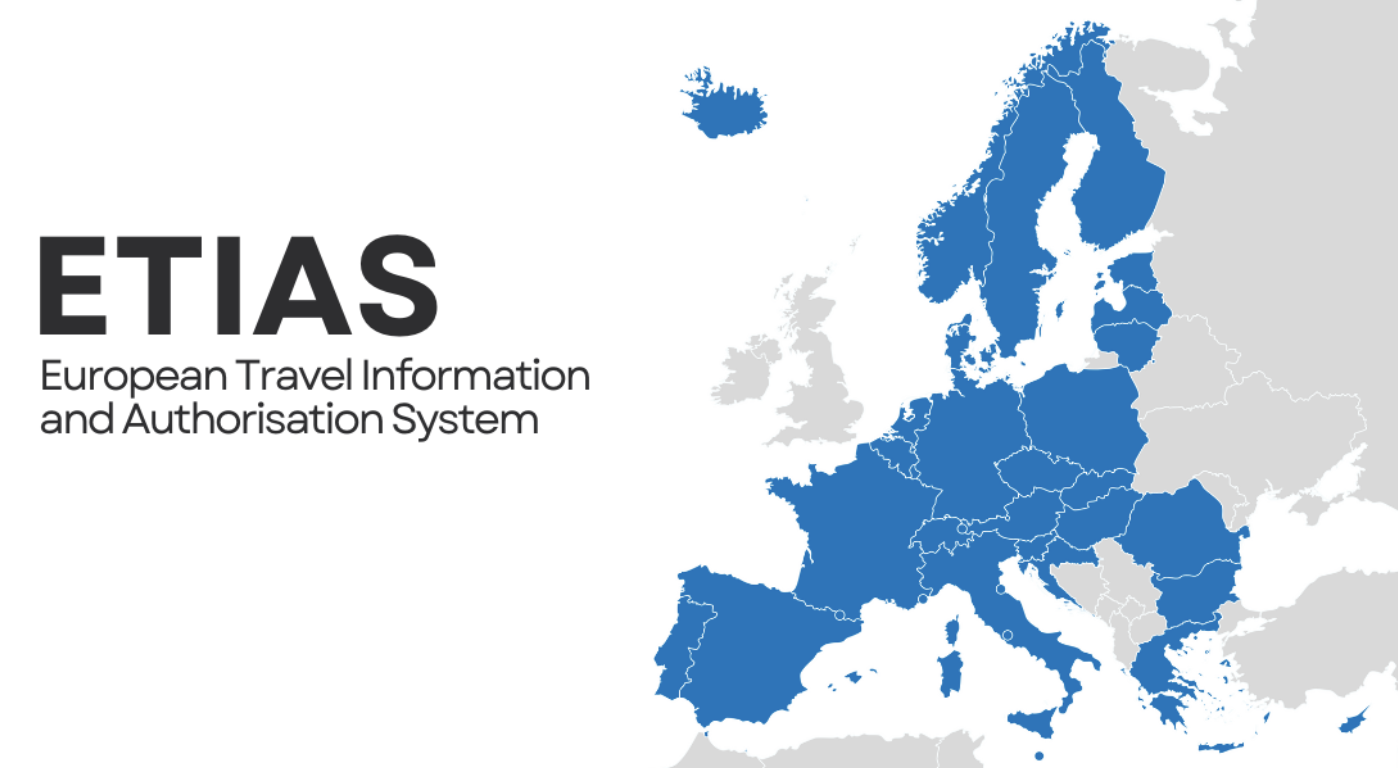
What is ETIAS? (and do you need it yet?)
The European Travel Information and Authorization System (ETIAS) is often confused with a visa, but it is not one.
It is a pre-travel authorization system, similar to the U.S. ESTA.
Key facts about ETIAS:
It will be required for visa-exempt travelers, including Americans and Canadians
It will be applied for online before your trip
It will be linked to your passport
Approval is expected to be quick and low-cost (around €20)
Important:
ETIAS is NOT active yet.
It is currently expected to launch in late 2026, and travelers do not need to apply at this time.
Do Americans and Canadians need a visa for Europe in 2026?
No.
Americans and Canadians can still travel to most European countries in the Schengen Area without a visa for short stays up to 90 days within a 180-day period.
That has not changed.
What is changing is how your entry is recorded and what authorization you will eventually need before traveling.
EES vs ETIAS: What is the difference?
Here is a simple breakdown:
Entry/Exit System (EES)
Happens at the border
Already being used
Tracks your entry and exit
Uses biometrics
ETIAS
Done before you travel
Not launched yet
Travel authorization approval system
Required for boarding once active
Think of it this way:
EES = what happens when you arrive in Europe
ETIAS = what you will do before you leave home (starting later in 2026)
What this means for your 2026 Europe trip
If you are traveling to Europe in 2026:
You do NOT need ETIAS yet
You do NOT need a visa if you are American or Canadian for short stays
You may experience biometric processing at border entry due to EES
You should still follow the 90/180-day rule
Most travelers will not notice major disruptions, but you may see slightly longer processing times at immigration in some airports as systems adjust.
Will travel to Europe become harder?
No, but it will become more structured.
The goal of these systems is:
Faster long-term processing once fully implemented
Better security tracking
Reduced passport stamping errors
More efficient border control in the long run
For travelers, it simply means a little more digital processing behind the scenes.
Travel advisor tip
If you are planning a Europe itinerary for 2026, this is a great time to focus on:
Booking flexible flights and hotels
Allowing extra time at major entry airports like Paris, Rome, or Frankfurt
Keeping passports valid for at least 6 months beyond travel dates
Staying updated as ETIAS launch timing becomes official

FAQ: EU Entry Requirements 2026
Do Americans need ETIAS for Europe in 2026?
No. ETIAS has not launched yet. It is expected in late 2026.
Do Canadians need ETIAS?
Yes, once ETIAS launches, Canadians will also be required to apply before travel.
Is ETIAS a visa?
No. It is a travel authorization similar to the U.S. ESTA system.
What is the 90/180 rule?
You can stay in the Schengen Area for up to 90 days within any 180-day period without a visa.
Will I still get my passport stamped?
In many cases, no. The Entry/Exit System (EES) is replacing traditional passport stamps with digital records.
Final thoughts
Europe is not becoming harder to visit, it is simply becoming more digital.
For now, nothing changes for Americans and Canadians planning a trip in 2026. You can still travel visa-free, enjoy your itinerary, and focus on the experience rather than paperwork.
As ETIAS approaches its rollout, staying informed will be key, and I will continue updating travelers so there are no surprises before departure.
Need help planning your Europe trip?
If you are planning a Europe vacation and want help building a stress-free itinerary that fits your family, budget, and travel style, I can help you plan every detail from flights to hotels to experiences.
Let’s make your Europe trip feel easy, organized, and unforgettable.